-
-
-
-
-
-
-
-
-
-
Spiny broom
-
-
-
-
-
-
-
-
-
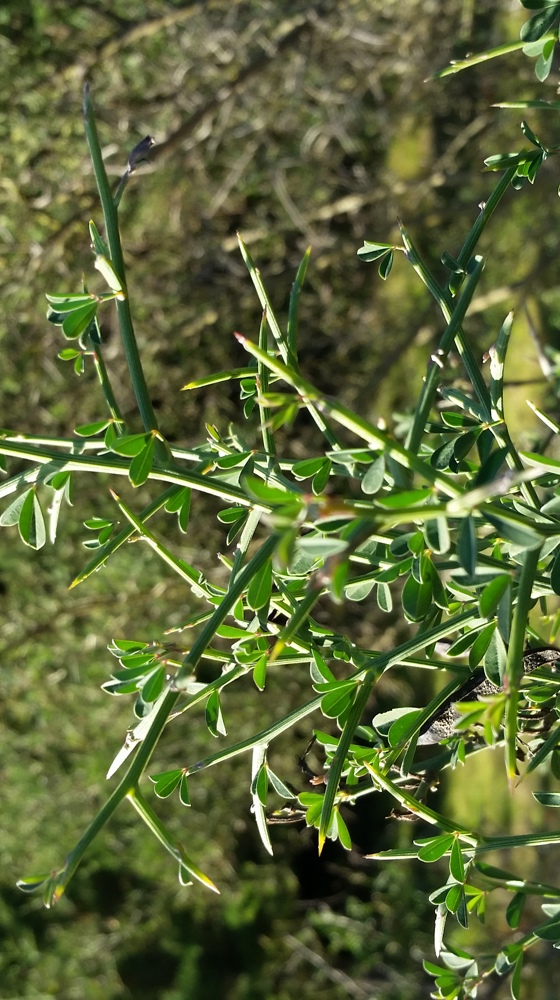
Spiny broom
| Common name: | Spiny broom |
| Scientific name: | Calicotome spinosa |
| Management programme: | Eradication |

Report this pest!
If you think you have seen this pest, we need to know. Please report it.
Spiny broom is an invasive plant that can quickly take over farmland or disrupt indigenous ecosystems. It is included in the pest plan to prevent impacts on conservation values.
- Size: Spiny broom is a spiny shrub with a lot of branches and is usually under 3m tall
- Leaves: It has ridged stems with sharp spines. It has dark or grey-green leaves, with three leaflets that are hairy underneath and may occur in clusters.
- Flowers(/seeds:It has bright yellow flowers followed by flattened seedpods.
- Root system: A deep and well-developed root system with a strong taproot
- Similar species:It looks similar to gorse (Ulex europaeus), which has denser spines and a more upright growth form, and Scotch broom (Cytisus scoparius), which is less spiny and has greener, more flexible stems.
- Habitat: found on dry hillsides, roadsides, river terraces, coastal areas, and disturbed land.

There are no rules relating to spiny broom in our pest plan. Over the life of the plan (10 years), the goal is to get rid of all spiny broom in Otago, to prevent negative effects on economic well-being and environmental values.
ORC is responsible for controlling any spiny broom. We are aware of three areas of interest in the Waihola, Chain Hills and Brighton areas where we are undertaking regular surveillance and working to bring populations to zero density. Please let us know if you think you have spotted spiny broom.
Report this pest!
If you think you have seen this pest, we need to know. Please report it.


