-
-
-
-
-
-
-
-
Otago’s future climate
-
-
-
-
-
-
-
Otago’s climate is changing. These changes will affect our people, our environments, our biodiversity and our economy.
It’s important to understand the potential impacts so we can build Otago’s climate resilience.
In the coming years and decades, we can expect higher temperatures, more extreme and unpredictable weather events, increased coastal erosion, and sea level and groundwater rises.
Different areas of Otago will experience different impacts.
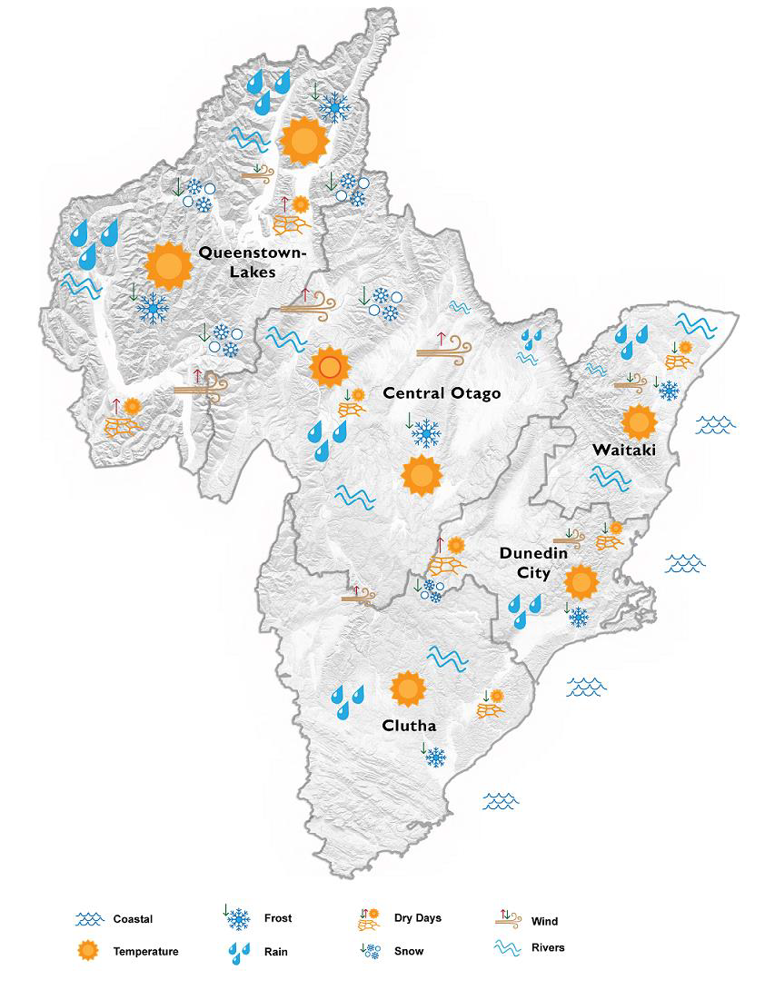
The following tools and reports can help us understand what changes are expected, and how this impacts our exposure to various natural hazards.
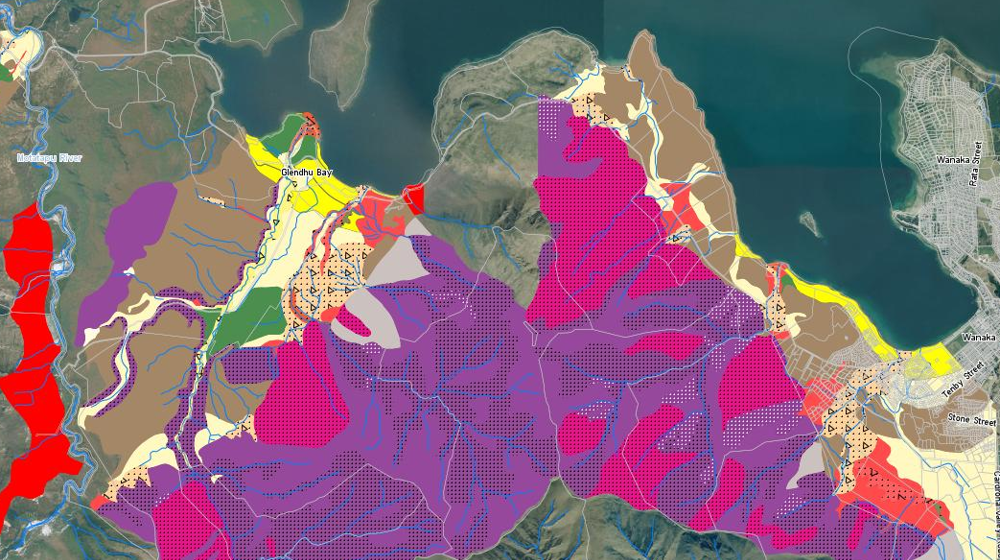
Otago Natural Hazards Database
Our hazards database is intended to improve public access to hazard information and to help the public, local authorities, and others make informed decisions about their exposure to natural hazards.

NZ Sea Rise Maps
Maps showing local and national sea level projections to the year 2300
Greenhouse gases trap heat within the Earth’s atmosphere and affect our climate.
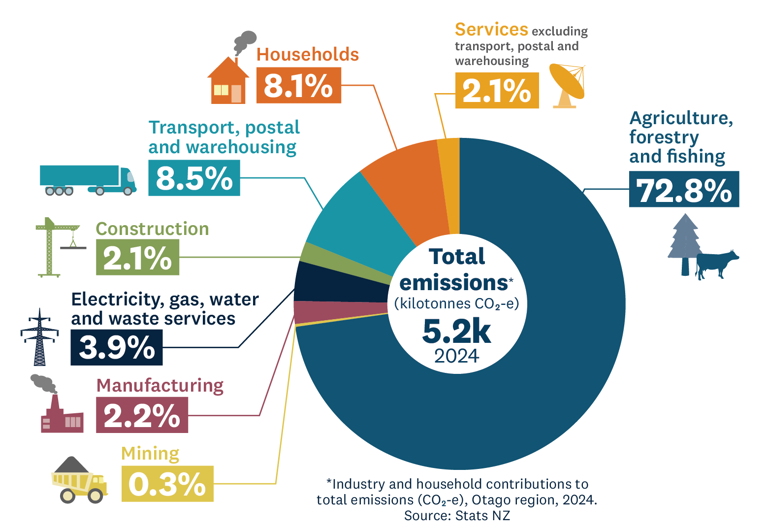
Nationally, Aotearoa New Zealand's major sources of greenhouse gas emissions are agriculture, manufacturing, households and transport/warehousing.
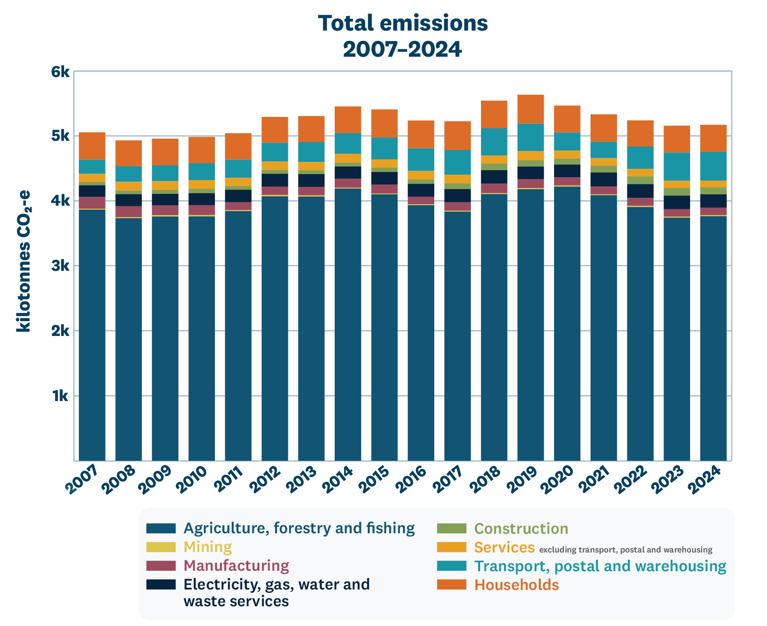
Otago’s emissions profile is unique and linked to the make-up of our local economy. The main greenhouse gas emissions sources in Otago are agriculture, transport/warehousing, and households. These emissions have been calculated back to 2007. We can see that emissions peaked in 2019, and have since been decreasing.

What we're achieving in Otago
An overview of Otago Regional Council’s climate resilience work, including adaptation programmes, emissions reduction initiatives, emergency readiness and partnerships with communities and organisations.

What you can do
Ways you can take action on climate change in Otago, including household preparedness, reducing emissions, community initiatives, events and funding opportunities.

What’s happening nationally
Information linking national climate change policies and frameworks with Otago initiatives, including emissions reduction, adaptation planning, resilience research and funding programmes.


