-
-
-
-
-
-
-
-
-
-
-
-
-
-
-
-
Indigenous biodiversity strategy feedback
-
-
-
-
-
-
-
-
-
-
-
-
-
-
-
-
Feedback closed 30 November 2025
Although feedback has now closed, you can still read our draft Indigenous Biodiversity strategy below.
Otago’s indigenous, or native biodiversity is remarkably varied.
Including the plants, animals and fungi naturally found here. It ranges from the cheeky kea in the Southern Alps/Kā Tiritiri o te Moana to mokomoko (skinks) sun-basking on schist tors in Central Otago; from mountain wētā literally freezing on Pātearoa / the Rock and Pillar Range to hoiho / yellow-eyed penguins on our coast.
Galaxiid fishes cling to refuge streams, while threatened cushion plants and native grasses eke out a living on wind-scoured ridgetops. Lowland podocarps, kānuka shrublands, and rare dune systems hold remnants of once-dominant ecosystems.
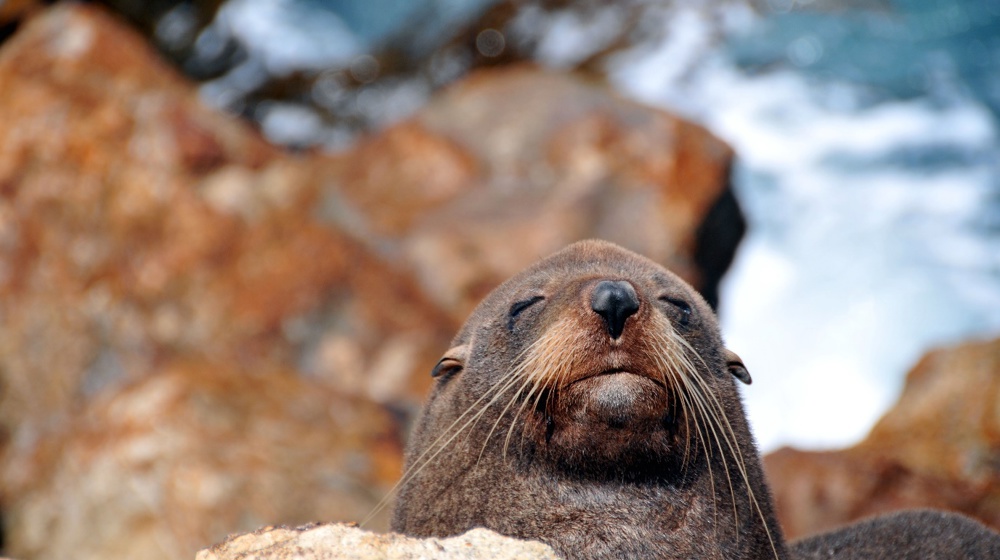
Tuaki/cockles nestle in coastal estuaries, and offshore, pakake / New Zealand sea lions, forests of rimurapa / giant kelp and sponge gardens play their part.
Under pressure from threats like habitat loss, invasive pests, and climate change, maintaining what we have will require a significant team effort. That means partnering with Kāi Tahu, and working closely with agencies, local councils, communities, landowners, and businesses. Many of these groups are already taking action across Otago. The scale and quality of this work is a strong foundation, and the choices we make now need to build on it.
Our draft Indigenous Biodiversity strategy for maintaining Otago’s Indigenous Biodiversity.
This draft strategy is the next step after our 2018 Biodiversity Strategy and 2019 Biosecurity Strategy. This includes:
- a long-term vision for the region and shorter-term outcomes to aim for between now and 2040.
- ORC’s approach to supporting and strengthening the collective effort of mana whenua, communities, landowners, businesses central government and local councils.
- how we deliver on our responsibilities and meet our community’s expectations to look after Otago's native biodiversity.
The final strategy will guide our future work, but it won’t create new rules. The draft does not include budgets or work plans, we’ll be asking for your feedback on these through our Long Term Plan and Annual Plan.
Our Councillors provided direction for the draft strategy and have endorsed it for public feedback. To develop the draft we worked in partnership with Kāi Tahu, and collaborated with the Department of Conservation, and local councils. We received insights from across the region and nationally, through more than 44 key stakeholder meetings, and a wide range of research.
The draft:
- builds on what we’ve already heard from the public, and existing visions and goals for Otago
- aligns with Te Mana o te Taiao, Aotearoa New Zealand’s Biodiversity Strategy, as well as national policy
- brings together ORC’s work programmes and strengths, for example: the knowledge we hold, our approach to integrated catchment management, biosecurity work, and empowering others through our catchment advisors

Biodiversity strategy and plans
We've developed a biodiversity strategy to set out collective outcomes for Otago, inform ORC work programmes, and establish a collaborative framework.
Rereka Rauropi Biodiversity
Otago’s environment provides habitats for many native plants and animals. These habitats support the health of our ecosystems and it's important we look after them.
Reports and publications - biodiversity
We have developed a range of resources on indigenous biodiversity in Otago, including regional threat assessment reports, educational factsheets and posters about species, and an online native planting guide to inform ecological restoration efforts.


